Understanding and managing the behavior of preschoolers can be one of the most challenging aspects of parenting and teaching. The book “Positive Discipline for Preschoolers” offers insightful strategies to help parents and teachers navigate the complexities of young children’s behavior.
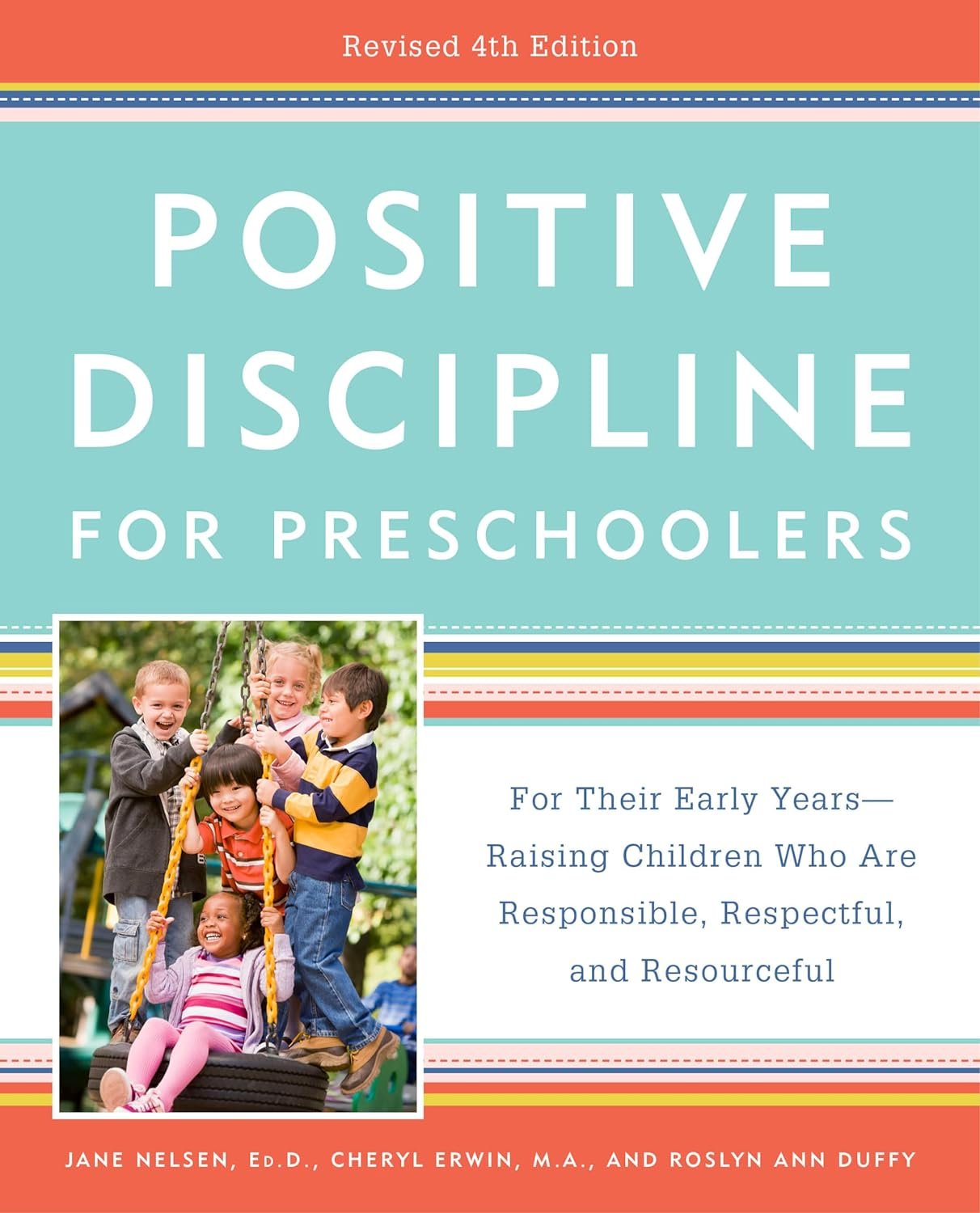
This revised and updated book, written by Dr. Jane Nelsen and her team, introduces gentle yet effective discipline strategies backed by psychology and real-life examples.
It emphasizes mutual respect, consistent routines, and problem-solving skills rather than punishment. With decades of research, it’s a must-have guide for parents and educators alike. But what makes these methods so effective, and how can you apply them in daily life?
Let’s dive into the care lessons from Positive Discipline for Preschoolers and discover how to raise confident, well-behaved children while building a loving bond.
Challenges of Preschool Behavior:
Preschoolers often exhibit behaviors that can be perplexing and frustrating for parents and teachers alike. These young children are just beginning to explore their independence, which can lead to situations where they may even misbehave or throw tantrums.
It’s important for caregivers to understand that these behaviors are a normal part of child development. Young children are still learning how to express their feelings and manage their anger, which can result in outbursts when they feel overwhelmed.
Recognizing these challenges can help adults respond with empathy and develop effective strategies to guide preschoolers toward positive behavior.
Managing preschoolers’ behavior requires patience and understanding, as their emotional development is still in its infancy. Many parents think that yelling or punishing their child will yield immediate results, but this approach may foster resentment and fear rather than cooperation.
Instead, it’s important to create an environment where children feel safe and understood. Teaching your child about consequences in a respectful and constructive manner allows them to learn from their actions without feeling shamed.
By employing positive discipline strategies, caregivers can help preschoolers navigate their emotions while building essential social skills.
Logical Consequences are a Good Strategy for Preschool
Implementing logical consequences is one of the most effective strategies for managing preschool behavior. By allowing children to experience the natural outcomes of their actions, they can learn valuable lessons without feeling punished.
For example, if a preschooler throws a toy, a logical consequence would be to remove that toy for a period of time, teaching them about respect for their belongings.
This approach encourages children to reflect on their behavior and understand the impact of their actions on others, fostering empathy and cooperation.
Logical consequences empower preschoolers by giving them a sense of autonomy while still providing structure. This method helps children to connect their actions with outcomes, making it easier for them to grasp the concept of responsibility.
Moreover, caregivers should communicate the reasons behind these consequences, allowing children to understand the rationale and develop their critical thinking skills.
When preschoolers trust the process of logical consequences, they are more likely to engage in positive behavior and learn to manage their frustrations effectively.
The Best Positive Discipline for Preschoolers Book to Read
The Positive Discipline for Preschoolers PDF book is a must-read for parents and teachers seeking effective strategies to manage young children’s behavior.
This revised 4th edition and updated edition includes insights from the latest research in child development, making it a valuable resource for anyone involved in preschool years education.
The book emphasizes the importance of empathy, respect, and understanding when teaching children how to navigate their emotions and behaviors. With practical examples and actionable strategies, this book helps caregivers to foster positive relationships with preschoolers.
Parents and teachers will find that the book provides a comprehensive guide to understanding the developmental needs of three-year-olds and beyond. It encourages caregivers to adopt a proactive approach to discipline, focusing on teaching children how to express their feelings and resolve conflicts peacefully.
By promoting positive behavior through respectful interactions, the book empowers adults to manage preschoolers’ misbehavior effectively. Millions of parents have come to trust the positive discipline series, as it offers a framework that nurtures both the child’s autonomy and the caregiver’s authority.
Set Up Your Preschool Classroom to Prevent Discipline Issues
Creating an environment conducive to positive behavior is essential for preventing discipline issues in preschool classrooms. A well-organized space allows children to explore and learn while minimizing frustration and conflict.
Teachers should consider arranging the classroom layout to facilitate cooperation and independence, ensuring that resources are easily accessible to preschoolers. By setting up designated areas for various activities, teachers can encourage children to engage in constructive play, reducing the likelihood of misbehavior.
Additionally, establishing clear expectations and routines helps preschoolers understand what is required of them, promoting a sense of security.
When children know what to expect, they are less likely to feel overwhelmed or act out. Incorporating visual aids, such as charts or schedules, can reinforce these expectations and provide a valuable reference for young children.
By proactively addressing potential triggers for misbehavior and fostering a positive classroom environment, educators can empower preschoolers to make better choices and engage in positive interactions.
Conclusion
In conclusion, “Positive Discipline for Preschoolers” serves as an invaluable resource for parents and teachers navigating the challenges of preschool behavior. By focusing on empathy, respect, and logical consequences, caregivers can foster positive behavior and help preschoolers develop essential social skills. Understanding the developmental needs of young children is crucial for creating an environment that encourages cooperation and independence. With the strategies outlined in this book, adults can effectively manage misbehavior while nurturing the autonomy and emotional growth of preschoolers.
Ultimately, the goal of positive discipline is to teach children how to behave respectfully and responsibly, setting the foundation for their future interactions. By utilizing the techniques presented in this must-read book by Jane Nelson, parents and teachers can create a supportive atmosphere where preschoolers can thrive. As millions of parents have discovered, adopting a positive discipline approach not only aids in managing misbehavior but also fosters stronger relationships and promotes emotional well-being in young children.
Recommended posts
- Age Appropriate Discipline Chart: Effective Parenting Guide
- Gentle Parenting Discipline 4 Year Old: (A Positive Approach)
- When Do Babies Start Understanding Discipline?
- Creative Discipline Behavior Chart Ideas for Home Use (Free)
- Where Can I Send My Child for Discipline (Effective Options)
- 10 Best Fine Motor Activities for Preschoolers to Try Every Day