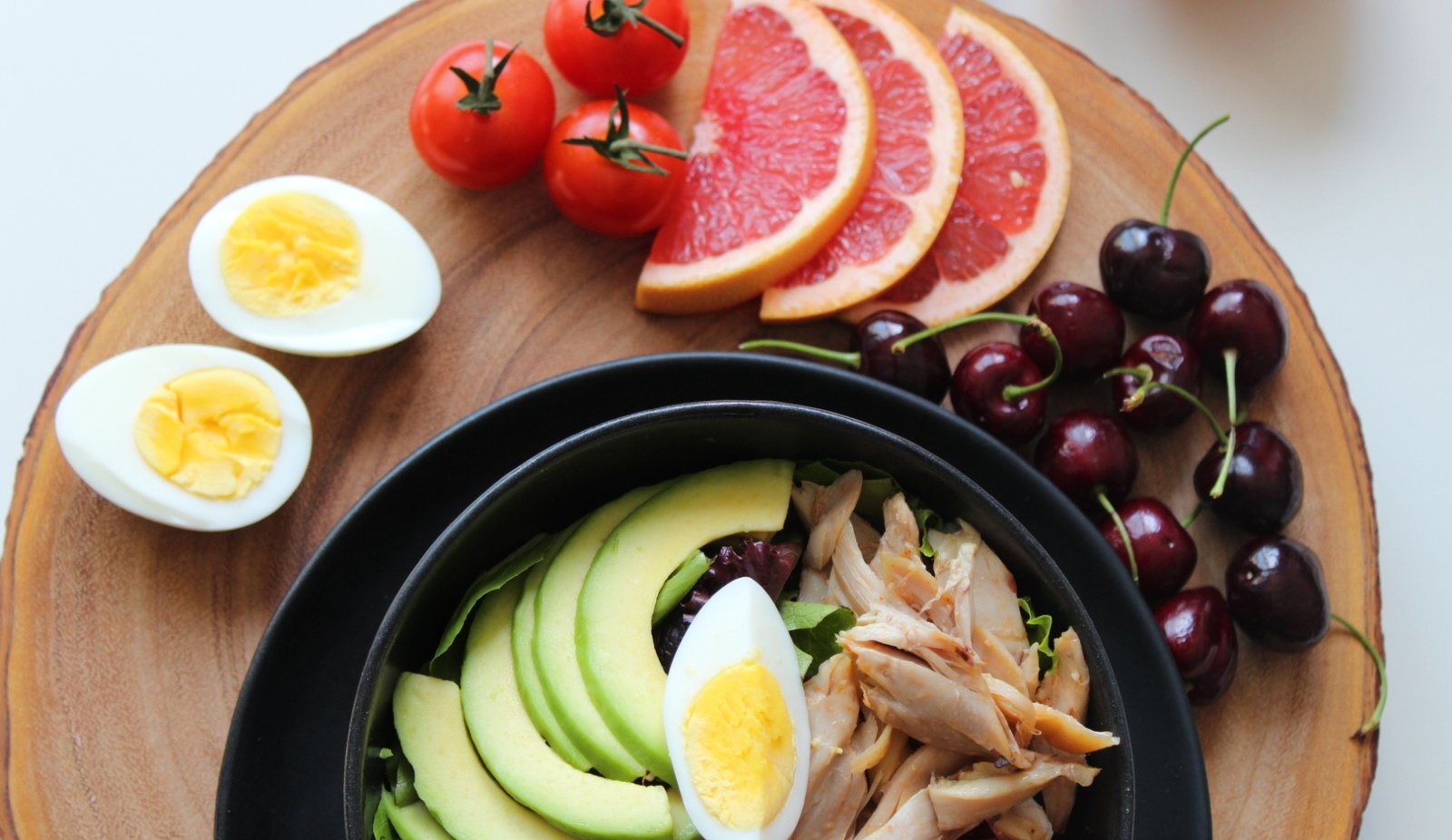
Looking to boost your chances of conceiving naturally? Curious how your plate can play a bigger role in parenthood than you think? In this post, we dive into the 7 Best Foods to Increase Fertility—backed by science and trusted by experts.
Leafy greens rich in folate, omega-3-packed salmon, and antioxidant-filled berries lead the way in improving fertility for both men and women. Foods like avocados, whole grains, and walnuts also contribute by supporting hormonal balance and reproductive health. Fertility specialists like Dr. Nicole Avena often stress the importance of nutrient-dense diets for successful conception.
But those aren’t the only powerful foods that can help you conceive faster. There’s a lot more on your grocery list that could surprise you. Let’s explore the complete guide to fertility-boosting superfoods that nutritionists and doctors swear by.
Nutritional Impact on Reproductive Health
A well-balanced diet is fundamental for reproductive health, as the nutrients we consume directly affect fertility. Vitamins and minerals play a vital role in hormone levels, egg quality, and sperm production, all of which are crucial for conception.
For women, adequate intake of folate and iron can enhance fertility by improving ovulation and reducing the risk of ovulatory infertility. For men, a diet rich in antioxidants and healthy fats can boost sperm quality and sperm count, thereby increasing fertility. Adjusting your diet to include these nutrient-dense foods can significantly improve your overall health and fertility journey.
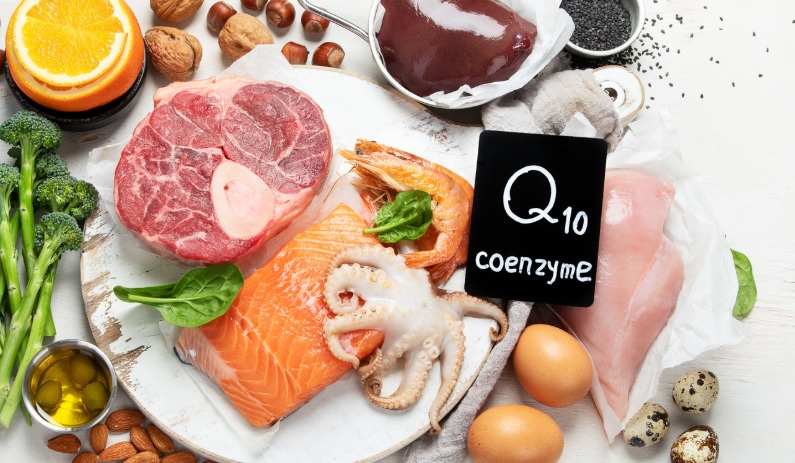
Moreover, the connection between diet and reproductive health is profound, as certain nutrients can counteract oxidative stress, which negatively impacts fertility. Foods high in antioxidants, like fruits and vegetables, help to protect reproductive cells from damage and improve overall fertility.
It’s important to recognize that achieving a healthy weight through nutrition is vital as well, as obesity or being underweight can affect hormone levels and fertility negatively. Therefore, a focus on nutritional impact can be a key strategy in boosting your chances of conception.
7 Nutrient-Rich Foods to Boost Fertility – Best foods for fertility
What you eat directly affects your reproductive health. A nutrient-rich diet can improve hormone balance, egg quality, and sperm health. Here are the seven best fertility-boosting foods for men and women.
1. Leafy Green Vegetables
Spinach, kale, and Swiss chard are packed with folate, iron, and antioxidants. These nutrients support healthy ovulation, embryo development, and hormone regulation.
2. Fatty Fish
Salmon, sardines, and mackerel are high in omega-3 fatty acids. These healthy fats reduce inflammation and boost reproductive function in both men and women.
3. Eggs
Eggs are rich in protein, vitamin D, and choline. They help support cell function, hormone production, and improve the quality of both eggs and sperm.
4. Berries
Strawberries, blueberries, and raspberries are antioxidant-rich. They protect reproductive cells from oxidative stress and improve overall reproductive longevity and quality.
5. Whole Grains
Brown rice, oats, and quinoa stabilize blood sugar and support hormonal balance. They contain B-vitamins essential for a healthy reproductive system.
6. Nuts and Seeds
Almonds, walnuts, flaxseeds, and sunflower seeds provide zinc, selenium, and omega-3s. These nutrients support hormone levels and improve sperm count and motility.
7. Avocados
Avocados are loaded with vitamin E, healthy fats, and folate. They improve uterine lining health and aid in embryo implantation and hormonal balance.
A fertility-friendly diet fuels your body with the right nutrients to boost conception chances. Combine these foods with a healthy lifestyle, and you’ll support your fertility naturally and effectively.
The Importance of Iron and Folic Acid in Fertility
Iron and folic acid are two essential nutrients that play a significant role in enhancing fertility. Iron is crucial for maintaining healthy blood flow and ensuring that oxygen reaches reproductive organs effectively.
Women who are trying to conceive should ensure they have sufficient iron intake to prevent anemia, which can affect ovulation and overall fertility. Foods high in iron, such as lentils, beans, and red meat, should be included in a fertility diet to boost reproductive health.
Folic acid, on the other hand, is vital for proper cell division and the development of the fetus during early pregnancy. A diet rich in folate can also help prevent neural tube defects, making it especially important for women trying to get pregnant.
Foods like fortified cereals, asparagus, and oranges are excellent sources of folate. Combining these two nutrients can create a robust foundation for reproductive health, ultimately increasing your chances of conception and supporting a healthy pregnancy.
Foods to Eat When Trying to Conceive & Nutrients that Support a Healthy Ovulation
When trying to conceive, focusing on a balanced diet rich in specific nutrients can support healthy ovulation and overall reproductive health. Here are some key foods and nutrients to consider:
- Fruits and Vegetables
- Berries: Rich in antioxidants.
- Leafy Greens: Spinach and kale provide folate.
- Citrus Fruits: Oranges and lemons offer vitamin C.
- Whole Grains
- Quinoa: High in protein and fiber.
- Brown Rice: Provides complex carbohydrates.
- Oats: Good for energy and fiber.
- Healthy Fats
- Avocados: Rich in monounsaturated fats.
- Nuts and Seeds: Almonds, walnuts, and flaxseeds provide omega-3 fatty acids.
- Olive Oil: A source of healthy fats.
- Lean Proteins
- Fish: Salmon and sardines are high in omega-3s.
- Poultry: Chicken and turkey are good protein sources.
- Legumes: Beans and lentils provide plant-based protein.
- Dairy or Alternatives
- Yogurt: Contains probiotics and calcium.
- Cheese: A good source of protein and calcium.
Foods to Avoid While Trying to Get Pregnant
While certain foods can boost fertility, others may negatively affect your chances of conception. Processed foods, high in sugar and unhealthy fats, can disrupt hormone levels and lead to weight gain, both of which can impact fertility.
Additionally, trans fats found in fried and commercially baked goods can decrease sperm quality and increase the risk of ovulatory infertility. It’s crucial to limit the intake of these foods to improve your overall reproductive health.
Furthermore, caffeine and alcohol consumption should be moderated, as both can interfere with hormone levels and ovulation. Studies suggest that high caffeine intake may reduce fertility and increase the time it takes to conceive.
Similarly, excessive alcohol can affect ovulation and sperm quality. By avoiding these detrimental foods and beverages, you can create a more conducive environment for conception and enhance your fertility journey.
Practical Dietary Tips for Conception
Planning to get pregnant? Your diet plays a major role in fertility. The right foods can balance hormones, support ovulation, and prepare your body for a healthy pregnancy. Below are practical and effective dietary tips to improve your chances of conceiving.
1. Prioritize Whole, Unprocessed Foods
Eat more fruits, vegetables, whole grains, nuts, seeds, and lean proteins. These foods supply vital nutrients like folate, zinc, and vitamin C that support reproductive health.
Tip: Shop the perimeter of the grocery store for fresher, less processed options.
2. Balance Blood Sugar with Complex Carbs
Choose complex carbs like quinoa, brown rice, and oats. Avoid refined sugar and white flour to prevent insulin spikes, which can disrupt ovulation.
Tip: Combine carbs with healthy fats and proteins to keep blood sugar stable.
3. Add Healthy Fats for Hormone Health
Fats help build reproductive hormones. Include avocados, olive oil, fatty fish, nuts, and seeds in your daily meals.
Tip: Replace margarine or vegetable oils with extra virgin olive oil or ghee.
4. Get Enough Iron and B Vitamins
Iron helps prevent ovulatory infertility. B vitamins (especially B6 and B12) support hormone regulation and egg development.
Foods to eat: Leafy greens, lentils, eggs, beef, fortified cereals.
Tip: Pair iron-rich foods with vitamin C (like citrus or bell peppers) to enhance absorption.
5. Boost Protein from Plant and Animal Sources
Protein fuels tissue growth and hormone production. A balanced mix of plant (beans, tofu, nuts) and animal (chicken, fish, eggs) proteins is ideal.
Tip: Replace red meat with fish 2–3 times per week for added omega-3s.
6. Hydrate for Cervical Mucus Production
Cervical mucus helps sperm reach the egg. Drink at least 2 liters of water daily to support its production.
Tip: Infuse water with lemon or cucumber to make it more enjoyable.
7. Limit Caffeine and Alcohol
Too much caffeine can affect hormone balance. Alcohol may reduce fertility and interfere with early embryo development.
Tip: Stick to one cup of coffee daily and avoid alcohol while trying to conceive.
8. Take a High-Quality Prenatal Vitamin
Start a prenatal vitamin before conception to build nutrient stores. Look for one with folic acid, iron, and DHA.
Tip: Take it with your largest meal to reduce nausea.
Small, consistent changes to your diet can significantly improve fertility. Focus on whole foods, hydration, and key nutrients to nourish your body and boost your chances of conception. Pair these tips with a healthy lifestyle, regular exercise, and stress reduction for best results.
Commonly Asked Questions about 7 Best Foods to Increase Fertility (FAQs)
What are the best foods to improve your fertility?
Some of the best fertility foods include fruits and vegetables rich in antioxidants, whole grains, lean proteins, and healthy fats. Incorporating these into your diet can help improve male fertility and fertility in women.
How can a balanced diet increase fertility in women?
A balanced diet can improve your fertility by providing essential nutrients that support reproductive health and increase fertility potential. Foods that are high in vitamins, minerals, and healthy fats can help regulate hormones and blood sugar levels.
Are there specific fertility foods that may increase male fertility?
Yes, certain foods such as nuts, seeds, and fish rich in omega-3 fatty acids are known to improve male fertility. These foods help in producing healthier sperm and can enhance overall reproductive health.
Can eating sugary foods affect fertility?
Yes, consuming excessive sugary foods can negatively impact fertility by causing fluctuations in blood sugar levels, which can lead to hormone imbalances. It is advisable to limit sugary foods for better fertility.
What role do antioxidant-rich foods play in fertility?
Antioxidant-rich foods, such as berries, leafy greens, and nuts, help combat oxidative stress in the body. This can enhance fertility and improve reproductive health by protecting eggs and sperm from damage.
How can I eat to boost fertility naturally?
To boost your fertility naturally, focus on a diet rich in whole foods, including fruits, vegetables, lean proteins, and good source of healthy fats. Avoid processed foods and prioritize fertility boost foods that can help improve your overall reproductive health.
What are some foods that increase fertility in females?
Some foods that are beneficial for increasing fertility in females include avocados, leafy greens, whole grains, and full fat dairy products. These foods provide essential nutrients that support hormonal balance and reproductive health.
Is there a specific diet for fertility that I should follow?
While there is no one-size-fits-all diet for fertility, a diet rich in whole foods, healthy fats, lean proteins, and plenty of fruits and vegetables is generally recommended. This balanced diet can enhance fertility and improve reproductive health.
How does stress affect fertility and reproductive health?
High stress levels can negatively impact fertility by disrupting hormonal balance and menstrual cycles. Managing stress through relaxation techniques, exercise, and a healthy diet can help improve your fertility.
Conclusion
What are the 7 best foods to increase fertility? In conclusion, the foods you eat can significantly influence your fertility and conception journey. By focusing on a diet rich in essential nutrients, including those that boost fertility, you can enhance your chances of conception. Incorporating foods like salmon, leafy greens, nuts, and whole grains can provide the necessary vitamins and minerals to support reproductive health. Additionally, avoiding processed foods and maintaining a healthy lifestyle can further improve fertility outcomes. Remember, every dietary change you make can contribute to your overall health and increase your chances of successfully trying to conceive.
Recommended posts
- Top 7 Fertility Supplements for Women That Actually Work
- 28 Day Diet Plan to Get Pregnant (Best Fertility Food List)
- How to Boost Fertility in Your 30s Naturally and Safely