
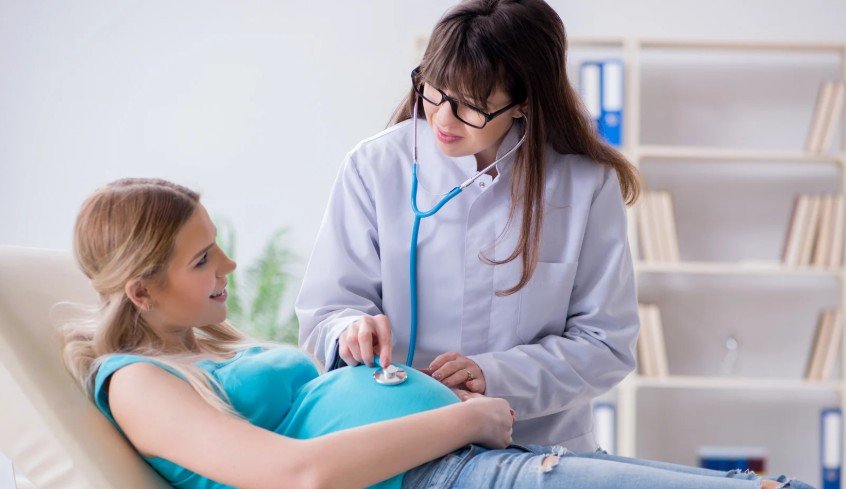
The 6-week post pregnancy check up is an important milestone for every new mother. Have you wondered why doctors recommend this specific time frame? It’s more than just a routine visit—it’s a complete assessment of your recovery after childbirth.
During this checkup, your healthcare provider evaluates physical healing, mental well-being, and overall adjustment to motherhood. Most women have this appointment with their OB-GYN or midwife around 6 weeks postpartum, though the timing may vary slightly. According to the American College of Obstetricians and Gynecologists (ACOG), this visit is crucial for long-term maternal health.
But what exactly happens during this appointment, and what should you prepare to discuss? From pelvic exams to conversations about birth control and emotional health, there’s a lot covered in this session. Let’s walk through everything you need to know so you can feel confident and prepared for your 6-week postpartum check up.
Post Pregnancy Check Up: Why It’s Important?
A Post Pregnancy Check Up is not just a routine medical appointment; it’s a vital health assessment that ensures both physical and mental recovery after childbirth. Most healthcare providers recommend a visit within six weeks after delivery, though the timing may vary depending on individual circumstances and birth complications. Here’s why it matters:
- Monitoring Physical Recovery
Childbirth, whether vaginal or via cesarean section, can take a significant toll on the body. During the check-up, doctors evaluate healing, including the uterus returning to its normal size, any vaginal or perineal wounds, or cesarean incision recovery. They also assess bleeding, pain, and signs of infection, ensuring any complications are addressed early. - Detecting Postpartum Complications
Certain conditions, such as postpartum hemorrhage, infections, and blood clots, can occur after childbirth. Regular monitoring through a check-up helps in early detection, reducing the risk of severe complications. - Mental Health Assessment
Emotional health is as important as physical recovery. Postpartum depression (PPD) affects a significant number of new mothers, and a check-up provides an opportunity to discuss emotional well-being. Screening and counseling can be initiated if necessary, which can dramatically improve long-term mental health outcomes. - Guidance on Family Planning
Discussing contraception and fertility is another essential aspect of post-pregnancy care. Many women may assume fertility is reduced postpartum, but ovulation can resume unexpectedly, making timely family planning advice crucial. - Support for Breastfeeding
Lactation consultants often collaborate with healthcare providers during post-pregnancy visits to troubleshoot breastfeeding challenges. This includes addressing latch issues, nipple pain, and milk supply concerns.
Ultimately, Have a complete medical checkup no later than 12 weeks after birth empowers mothers with knowledge, reassurance, and resources to recover fully and care for their newborns confidently.
What are the Signs of Postpartum Depression?
Post partum depression is a serious condition that affects mothers shortly after childbirth. It goes beyond the typical “baby blues” that many experience in the first few days after giving birth Recognizing the signs early can make a significant difference in treatment outcomes. Common indicators include:
- Persistent sadness or mood swings: Feeling overwhelmingly sad, hopeless, or irritable for most of the day, nearly every day.
- Loss of interest in activities: A sudden disinterest in things that were once enjoyable, including caring for oneself or the baby.
- Changes in appetite or sleep patterns: Sleeping too little or too much, or experiencing drastic changes in eating habits.
- Excessive guilt or self-blame: Feeling inadequate as a mother or blaming oneself for things that are not under one’s control.
- Difficulty bonding with the baby: Struggling to connect emotionally or feeling detached from the newborn.
- Anxiety or panic attacks: Experiencing heightened anxiety, constant worry, or sudden panic episodes.
- Thoughts of self-harm or harming the baby: Any thoughts of harming oneself or the baby require immediate professional help.
It’s important to remember that postpartum depression is a medical condition, not a personal failing. Early intervention, therapy, support groups, and in some cases, medication, can dramatically improve outcomes. The Post Pregnancy Check Up is the ideal moment to discuss any of these symptoms openly with your health care provider.
Postpartum Care: What to Expect after a Vaginal Birth
Recovery after a vaginal birth involves multiple aspects of care, from wound healing to emotional well-being. Here’s a comprehensive overview of what mothers can expect during the postpartum period:
Physical Recovery
- Perineal Healing: If there was a tear or episiotomy during birth, healing can take several weeks. Pain, swelling, and mild bleeding are common initially, but prolonged or severe symptoms should be addressed.
- Uterine Involution: The uterus gradually shrinks back to its pre-pregnancy size over six to eight weeks, a process often accompanied by cramping or “afterpains.”
- Lochia: Vaginal bleeding, known as lochia, continues for up to six weeks, starting as bright red and gradually fading to brown or yellow.
Pain Management
Pain is normal after vaginal delivery, especially in the perineal area. Ice packs, sitz baths, and prescribed pain medication can aid comfort. Avoiding heavy lifting and prolonged sitting helps prevent complications.
Sexual Health and Contraception
Resuming sexual activity varies by individual recovery, usually around six weeks postpartum. Discussing contraception options is essential since ovulation can occur even while breastfeeding.
Nutrition and Hydration
A balanced diet rich in protein, iron, and vitamins supports healing. Hydration is particularly important for breastfeeding mothers.
Emotional Well-being
Hormonal changes, sleep deprivation, and the demands of a newborn can be overwhelming. Establishing a support system and seeking help for mood changes is crucial.
Some Questions to Ask at a 6-Week Postpartum Visit
The six-week postpartum visit is a pivotal opportunity to clarify doubts and receive personalized guidance. Here are some questions that can help mothers make the most of this appointment:
Physical Recovery
- Is my perineal area or cesarean incision healing normally?
- Are there any signs of infection or complications I should monitor?
Menstrual Cycle and Fertility
- When can I expect my period to return?
- What contraceptive options are safe while breastfeeding?
Breastfeeding Support
- Is my baby gaining weight appropriately?
- How can I improve milk supply or address breastfeeding pain?
Emotional and Mental Health
- Could my mood swings or anxiety indicate postpartum depression?
- What support resources are available if I feel overwhelmed?
Lifestyle and Physical Activity
- When can I resume exercise and other physical activities safely?
- Are there specific exercises or routines recommended for postpartum recovery?
Future Health Monitoring
- Are there any screenings or tests I need after pregnancy (e.g., blood pressure, glucose)?
- Should I schedule follow-up appointments for long-term reproductive health?
Asking these questions ensures mothers receive comprehensive care and empowers them to make informed decisions about their health.
Common Questions about Postpartum Checkup after giving birth (FAQs)
What is a postpartum check-up?
A postpartum check-up is a medical appointment that occurs approximately 4 to 6 weeks after giving birth. This visit is essential for assessing the mother’s recovery, discussing any postpartum issues like gestational diabetes, and ensuring both physical and emotional health are on track. During this time, the doctor will check the mother’s uterus, pelvic floor muscles, and any areas affected by labor and delivery.
Why is postpartum care important?
Postpartum care is important because it helps identify any potential medical problems or complications that can arise after childbirth. Regular check-ups ensure that issues such as high blood pressure, postpartum depression, or complications from a C-section are addressed promptly, promoting long-term health and recovery.
Why do doctors recommend waiting 18 months between pregnancies?
Doctors recommend an 18-month interval to reduce serious health risks. This waiting period allows the body to fully recover, lowering the chance of premature birth, low birth weight, and maternal complications like placental abruption or anemia in the next pregnancy.
What can I expect during my postpartum appointment?
During your postpartum appointment, your doctor will perform a physical exam to check your recovery progress, including an assessment of vaginal discharge and any signs of infection. You may also discuss your emotional health, birth control options, and any challenges you face in breastfeeding or caring for your baby.
When should I schedule my postpartum visit?
It is recommended to schedule your postpartum visit within 3 weeks after giving birth, ideally around 4 to 6 weeks postpartum. This timeframe allows your healthcare provider to monitor your recovery effectively and address any immediate concerns you may have.
What are the warning signs I should watch for after giving birth?
Warning signs to watch for include severe pain, excessive vaginal discharge, fever, or signs of postpartum depression. If you experience mood changes, thoughts of self-harm, or difficulty bonding with your baby, it is crucial to seek help from a therapist who specializes in postpartum issues.
How can I manage postpartum depression?
Managing post partum depression often involves a combination of support from your care team, counseling, and sometimes medication. Engaging in open conversations with your partner, family, or healthcare provider about your feelings can help. Additionally, joining support groups or therapy sessions can provide valuable coping strategies.
What should I discuss with my doctor during the postpartum check-up?
During your postpartum check-up, discuss topics such as your physical recovery, any issues with breastfeeding, your emotional health, and birth control options. It’s also a good time to ask about your body mass index, exercise recommendations, and any lingering effects of labor and delivery.
How long does it take to recover after giving birth?
The recovery period can vary greatly among individuals, but it generally takes about 6 to 8 weeks to physically recover from childbirth, whether vaginal or C-section. Emotional recovery may take longer, so it is important to be gentle with yourself and seek support if needed.
Conclusion
A 6 week Post Pregnancy Check Up is far more than a routine appointment; it is an essential step in ensuring a mother’s complete physical, emotional, and mental recovery after childbirth. From monitoring healing and detecting complications to providing mental health support and guidance on breastfeeding, these visits form the foundation for a healthy postpartum experience.
Understanding the signs of postpartum depression, knowing what to expect after a vaginal birth, and preparing thoughtful questions for your six-week visit can make a significant difference in overall well-being. By prioritizing postpartum care, mothers can navigate the early stages of motherhood with confidence, resilience, and the reassurance that their health is being actively monitored and supported.
Taking the time to schedule and attend a Post Pregnancy Check Up is a gift not only to the mother’s health but also to the baby’s long-term prenatal care, creating a strong foundation for the family’s future.
Recommended posts
- The Ultimate Postpartum Weight Loss Plan for Busy Moms
- 7 Home Remedies for Post Pregnancy Swelling Feet (Proven)
- Anterior Vs Posterior Placenta – The Surprising Pros & Cons
- Abruptio Placentae Vs Placenta Previa – Key Signs You Shouldn’t Ignore
- The Physiological Anaemia in Pregnancy in Expecting Mothers

